What to Consider When Buying a Peshtemal
Whether you are buying a few peshtemals for your own bathroom or a few hundred for a shop, hotel or beach club, the same handful of details decide whether a peshtemal will work for you. Here is what to check.
1. Fabric
Most peshtemals are 100% cotton, which is absorbent and softens with washing. Blends change the feel: cotton-bamboo is smoother and silkier, cotton-linen drier and more textured, and recycled-cotton blends add recycled content. Check the exact composition on the product page or label rather than relying on a general description. Microfiber towels may look similar in photos, but they are synthetic and behave differently. Read more in our guide to peshtemal fabrics.
2. Size
A standard peshtemal is roughly 80–100 cm wide and 160–190 cm long, enough to wrap around the body or cover a sun lounger. Larger sizes such as 140×170 cm work as beach blankets or throws, while hand towels of around 45×70 to 50×105 cm suit guest bathrooms and kitchens.
3. Weight and weave
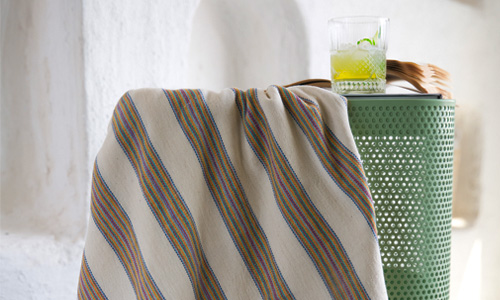
Weight tells you how dense the cloth is. Lighter peshtemals dry fastest and pack small; heavier ones feel more substantial. The weave affects both look and handle: stripes and diamonds are classic, honeycomb and waffle weaves add texture, jacquard allows detailed patterns, and one-side terry peshtemals combine a flat face with a looped face for extra absorbency.
What is Peshtemal? The Place of Peshtemal from the Past to the Future
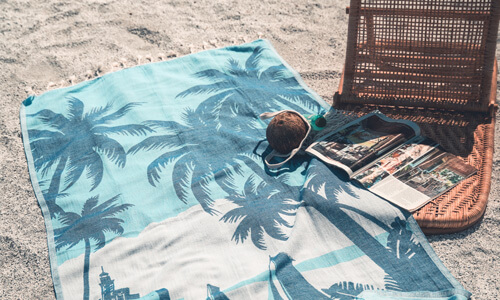
Types of Peshtemal Fabrics: Cotton, Bamboo, Linen and Recycled Cotton
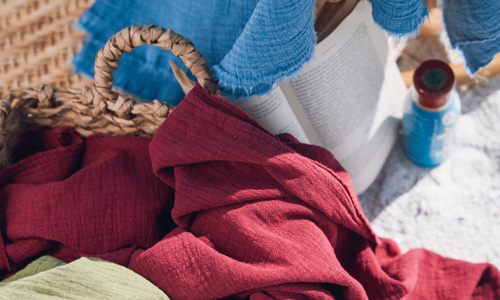
History of Peshtemal: From the Ottoman Empire to Today
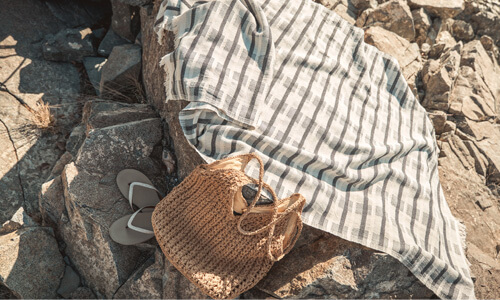
Different Usage Areas of Peshtemal
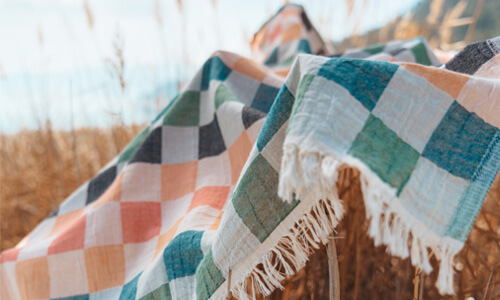
The Essential Item of Summer: Practical and Stylish Solutions with Peshtemal
What to Consider When Buying a Peshtemal